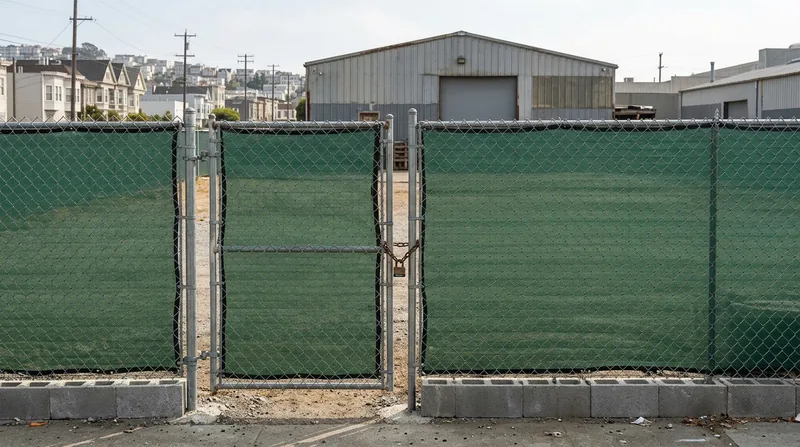




Construction sites, property renovations, and temporary site security across San Francisco demand fast, code-compliant fencing that goes up on schedule and comes down without fuss. Whether you are protecting an active jobsite in the Mission, securing a demolition perimeter in Bayview, installing commercial fence installation in San Francisco, or managing silt containment on a steep Noe Valley lot, the right temporary or permanent security barrier keeps crews safe, neighbors informed, and inspectors satisfied. San Francisco's dense urban grid, hilly terrain, and tight property lines mean commercial fencing must work around existing structures, utility lines, and narrow access points that contractors in flatter regions rarely encounter. We install chain link, security fencing, and temporary construction barriers that hold up to Bay Area wind, fog, and wet winters, and we handle the permitting and utility locates that keep your timeline on track.
Why Commercial and Temporary Fencing Matters on San Francisco Jobsites
A construction site without proper perimeter fencing exposes your project to liability, theft, trespassing, and code violations that can halt work and cost thousands in fines or insurance claims. San Francisco's Building and Planning Department enforces strict site safety rules, and most general contractors and property managers require temporary fencing before the first shovel hits the ground. Silt fences prevent sediment runoff into storm drains and the Bay, chain link barriers keep pedestrians and vehicles out of active work zones, and security fencing deters theft from renovation sites and vacant properties. The fog and winter rain here accelerate rust and corrosion on exposed metal, so galvanized or powder-coated hardware and properly tensioned mesh are not optional extras but baseline durability.
- Temporary construction fencing protects the public and satisfies San Francisco Building Code and OSHA requirements for active jobsites.
- Silt fences contain sediment and soil runoff on graded or excavated lots, meeting stormwater permit conditions set by the San Francisco Public Utilities Commission.
- Chain link and security barriers deter theft from renovation sites, vacant buildings, and storage yards across the city.
- Proper installation and tensioning prevent wind sway and panel failure on exposed hillside sites in Diamond Heights, Twin Peaks, and the Excelsior.
- Fast removal after project completion restores property lines and avoids ongoing rental or storage fees.
A well-installed temporary fence is an investment in project safety, compliance, and neighbor relations that pays for itself in avoided delays and claims.
Key info: San Francisco requires a building permit for most temporary fencing on commercial or residential construction sites. We handle the permit application and coordinate with the Department of Building Inspection before installation. For more details, visit the San Francisco Department of Building Inspection.
How We Install Commercial and Temporary Fencing on San Francisco Sites
Every jobsite is different. A renovation in the Marina may have tight sidewalk setbacks and underground utilities; a demolition in the Excelsior might sit on a steep slope where standard post spacing and racking are essential; a storage yard in Dogpatch needs security-grade galvanized chain link with anti-sag bracing. We start with a site walk, confirm utility locations via California 811 locates, verify setback and visibility rules with the local building department, and design a layout that fits your schedule, budget, and code requirements. We set posts in concrete, tension mesh properly to prevent sagging and wind flutter, and install self-closing gates where pedestrian or vehicle access is needed. Removal is just as precise: we pull posts cleanly, haul debris, and restore the site so you can hand it back to the property owner or move to the next phase.
- We call 811 to locate underground utilities and mark safe digging zones before any post holes are dug.
- We measure the perimeter, confirm setback and corner-visibility rules with the San Francisco Building Department, and stake the fence line.
- We dig post holes to frost-safe depth (not required in San Francisco, but we set posts in concrete for durability in fog and rain).
- We set posts plumb, install rails and mesh, tension chain link with stretcher bars and bands, and brace tall panels against wind loads.
- We hang self-closing gates, attach signage, and conduct a final safety walk with you or your site supervisor.
- At project end, we remove all fencing, posts, and debris, leaving the site clean and the property line clear.
This process keeps your site compliant, your crew safe, and your project moving without surprise delays or code violations.
Real example: A kitchen renovation in Pacific Heights required temporary fencing around a narrow rear yard shared with neighbors. We installed a stepped chain link fence that followed the slope, left pedestrian access along the side property line, and removed it in a single day once drywall and finishes were done. See our chain link fence installation service for more on this material.
Commercial Fencing Methods and Materials for San Francisco
| Approach | Description | Best for |
|---|---|---|
| Chain Link (Galvanized) | 2-inch or 1.5-inch diamond mesh, 11 or 9 gauge wire, galvanized or vinyl-coated, set in concrete posts with tension bands and stretcher bar. | Active construction sites, temporary perimeters, security yards, and sites where visibility is acceptable and budget is tight. |
| Security Chain Link (Powder-Coated) | Heavy-gauge 6 or 9 gauge mesh, black or dark green powder-coat finish, anti-sag bracing, tension wire, and reinforced corner posts. | Long-term storage yards, vacant properties, demolition sites, and high-visibility locations where durability and appearance matter. |
| Silt Fence | Geotextile fabric stapled to wood posts or driven stakes, installed along slope contours and downhill from graded or excavated areas. | Hillside demolition, grading, and excavation projects where stormwater runoff and sediment control are required by permit. |
| Temporary Plywood or Solid Panel | CDX plywood or composite panels attached to steel or wood frames, installed for privacy or dust control on active jobsites. | Interior demolition, renovation, and renovation sites where dust, debris, and noise must be contained and neighbors need visual screening. |
| Gates and Access | Chain link, steel frame, or plywood gates with self-closing hinges, handle locks, or padlock hasps, sized for pedestrian or vehicle traffic. | All jobsites where controlled access, material security, and traffic management are required by site safety or insurance rules. |
Each method is chosen for the specific hazard, timeline, and site conditions you face. San Francisco's fog, salt air, and wet winters demand materials and finishes that resist rust and corrosion; our galvanized and powder-coated hardware outlast cheaper alternatives and keep your site looking professional through the entire project.
Commercial and Temporary Fencing Cost in San Francisco: What to Expect
The cost of temporary or commercial fencing depends on the linear footage, material (chain link versus security versus silt fence), terrain, site access, and how long the fence will be in place. A simple temporary chain link perimeter on a flat, accessible lot in South San Francisco might cost less per linear foot than a security fence on a steep Noe Valley slope where post holes require careful placement and bracing. Silt fencing on a hillside demolition adds labor and materials for slope-following installation and regular maintenance. Gates, signage, and removal add to the total. We provide a free site quote that factors in all these variables, so you know the real cost before you commit. For detailed pricing guidance and to request an estimate, visit our pricing overview.
Most commercial fencing jobs in the San Francisco area run between $15 and $35 per linear foot installed, depending on material and conditions. A 200-linear-foot temporary chain link perimeter on a standard lot might total $3,000 to $7,000, including gates and removal. A security-grade installation on a tight or steep site could reach $8,000 to $15,000 or more. Silt fencing on a graded slope typically costs $8 to $15 per linear foot. These are ballpark figures; your actual cost depends on the specific site, the duration of the installation, and what you need the fence to do. Getting 2 to 3 estimates from contractors who understand San Francisco's terrain and code requirements is the best way to compare value and avoid surprises.
Key info: We include the free site quote, 811 utility locates, permit coordination with the San Francisco Building Department, installation, and removal in our standard estimate. Travel is included in San Francisco and surrounding areas. If your site requires special equipment (crane, concrete mixer, or heavy machinery rental), we will call that out separately so there are no surprises on the invoice.
What to Look for When Hiring a Commercial Fence Contractor Near San Francisco
Hiring the right contractor for commercial or temporary fencing is as important as choosing the right material. You want someone who understands San Francisco's Building Code, knows how to work on steep lots and narrow sites, and has the insurance and licensing required by law. Fence work in California requires a licensed C-13 Fencing Contractor once a project reaches $1,000 in combined labor and materials or requires a building permit. Ask any contractor for proof of a current California CSLB license, general liability insurance, and workers' compensation coverage, and request a certificate of insurance that names you as an additional insured. Check references from recent commercial or construction projects in San Francisco, Daly City, or nearby areas; a contractor who has worked on jobsites in your neighborhood will understand local code enforcement and site challenges. Confirm that the contractor will pull the necessary permits and coordinate 811 utility locates before digging. If your site has protected trees or falls under a heritage review, or if your project requires HOA approval, ask how the contractor will handle those steps. Get everything in writing: the scope of work, the total cost, the timeline, what happens if the site changes, and who is responsible for removal and restoration.
- Verify that the contractor holds a current California C-13 Fencing Contractor license and carries general liability and workers' compensation insurance.
- Ask for references from commercial, construction, or renovation sites in San Francisco or the Bay Area completed in the past 2 to 3 years.
- Confirm that the contractor will call 811, coordinate permits with the San Francisco Building Department, and verify setback and visibility rules before installation.
- Get a detailed written estimate that includes material, labor, gates, removal, and any travel or equipment fees, with no surprises later.
- Ask how the contractor handles changes to the site scope, weather delays, or early removal if your project finishes ahead of schedule.
A contractor who takes time to understand your site, explains the code requirements, and provides a clear written agreement is worth the call. Contact us for a free estimate and we will walk you through the entire process.
Commercial & Temporary Fencing in San Francisco: Pricing Guide
| Service | Price | Details |
|---|---|---|
| Site quote and design | Free | Includes 811 locates, setback verification, and a detailed estimate with no obligation to book |
| Temporary chain link fence (basic) | Starting at $15 to $25 per linear foot | Installed with posts set in concrete, includes gates and self-closing hinges, labor and material |
| Security-grade chain link (powder-coated, anti-sag) | Starting at $25 to $35 per linear foot | Heavy gauge, reinforced corners, bracing on tall panels, ideal for long-term or high-visibility sites |
| Silt fence (geotextile, slope-following) | Starting at $8 to $15 per linear foot | Installed on contour, includes posts and maintenance inspection, stormwater compliance included |
| Gate installation and removal | Starting at $400 to $800 per gate | Self-closing hinges, handle lock, includes labor and hardware, pedestrian or vehicle-sized |
| Removal and site restoration | Included in estimate | Post extraction, debris haul, and site cleanup included in the total job price, no surprise removal fees |
Indicative pricing, the exact cost depends on square footage, finish, and site access. Free personalized estimate within 24h at (628) 241-1526.


