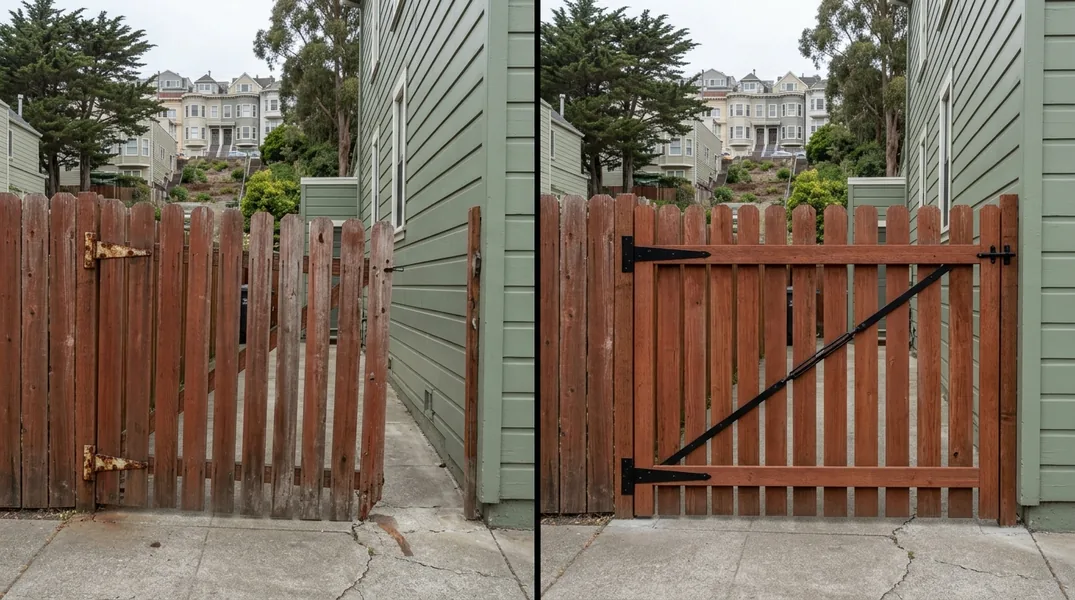
How Long Does a Redwood Fence Last in San Francisco?
If you've invested in a Wood & Privacy Fence Installation for your San Francisco home, you're probably wondering how many years you can expect it to stand strong. The answer depends on several factors, but redwood fences typically last between 15 and 20 years in our Bay Area climate. Some well-maintained redwood fences can push beyond 20 years, while others may need replacement sooner if they're exposed to harsh conditions or neglected.
Redwood is naturally resistant to rot and insects, which is why it's such a popular choice for privacy fencing in San Francisco. However, the coastal fog, salt air, and occasional heavy rain we experience here can still take their toll over time. The wood's natural oils gradually deplete, leaving it vulnerable to moisture damage, warping, and decay. Understanding the typical lifespan of your redwood fence helps you plan for maintenance and budget for eventual replacement.
Environmental Factors That Affect Fence Lifespan in the Bay Area
Living in San Francisco comes with unique environmental challenges that directly impact how long your redwood fence will last. The marine layer and coastal moisture create an ideal breeding ground for mold, mildew, and fungal growth. Unlike inland areas with drier climates, our fences face constant exposure to humidity and salt-laden air, which accelerate the deterioration process. If your property is particularly close to the coast or in an area with heavy fog coverage, you may notice your fence aging faster than the typical 15 to 20 year estimate.
UV exposure, while less intense than in sunnier regions, still contributes to wood degradation over time. The sun's rays break down the lignin in wood fibers, causing the surface to gray and become brittle. Additionally, the Bay Area's temperature fluctuations between day and night can cause the wood to expand and contract, creating stress on the fence structure. Proper sealing and staining can mitigate these environmental effects significantly, extending your fence's life and maintaining its appearance.
Signs You Need a New Fence: When to Call a Professional
Recognizing the early warning signs that your fence is failing can save you money and prevent safety hazards. One of the most obvious indicators is visible rot or soft spots in the wood. If you press your finger against a fence post or board and it leaves an indentation or feels spongy, that's a clear sign of structural compromise. Leaning or tilting sections of fence are another red flag, as they indicate that the foundation has weakened or posts have rotted below ground level. Widespread splitting, cracking, or large gaps between boards also suggest that replacement is on the horizon.
Persistent pest damage from termites or carpenter ants can compromise the integrity of your fence faster than natural weathering alone. If you notice small holes, sawdust-like debris, or hollow-sounding sections when you tap on the wood, professional inspection is essential. Excessive mold or mildew that doesn't respond to cleaning, discoloration that spreads despite sealing efforts, and nails or fasteners that are visibly corroded are all indicators that your fence is reaching the end of its serviceable life. When you spot these signs, it's time to contact San Francisco Fence for a free estimate to discuss replacement options.
Extending Your Fence's Lifespan: Maintenance Tips
Regular maintenance is the single most effective way to maximize your fence's lifespan and delay replacement costs. Sealing and staining your redwood fence every two to three years creates a protective barrier against moisture penetration and UV damage. This preventative approach is far more cost-effective than dealing with rot and decay later. In our Bay Area climate, where moisture is abundant, applying a quality water-resistant sealant is especially important. Many homeowners find that investing in professional sealing services pays for itself through extended fence life.
Beyond sealing, routine inspections and minor repairs keep small problems from becoming major ones. Check for loose boards, damaged fasteners, and areas where water might be pooling or running down the fence. Clean debris and vegetation away from the fence base to improve air circulation and reduce moisture retention. Trim back trees and shrubs that touch or overhang your fence, as they can trap moisture and promote rot. If you spot a damaged board or section, replacing it promptly prevents the problem from spreading to adjacent areas. These simple maintenance steps can add five or more years to your fence's life, making them well worth the effort.
Wood & Privacy Fence Installation Cost in San Francisco: What to Budget
When it's time to replace your fence, understanding the pricing structure helps you budget appropriately. The cost of a new Wood & Privacy Fence Installation in San Francisco depends on several variables, including the length of the fence, the height you need, the quality of materials, and your property's terrain. Redwood fencing typically costs more than pressure-treated pine but offers superior durability and natural beauty. Labor costs in the Bay Area are higher than national averages, so factor that into your budget as well.
Rather than guessing at costs, getting a professional assessment is the best way to understand your investment. San Francisco Fence offers transparent pricing and detailed quotes that break down material and labor costs. We can also discuss alternative materials like Vinyl & PVC Fence Installation or Aluminum & Ornamental Iron Fencing if you're looking for options that might require less maintenance or offer different aesthetic qualities. Call us at (628) 241-1526 to discuss your project and receive a customized estimate based on your specific needs and property.
When to Replace vs. When to Repair Your Fence
The decision between repairing and replacing your fence depends on the extent of damage and the overall condition of the structure. If only one or two sections show significant damage and the rest of the fence is still in good condition, targeted repairs might be the most economical choice. Replacing individual boards, reinforcing posts, or fixing localized rot can extend your fence's life another few years at a fraction of the cost of full replacement. However, if more than 30 percent of your fence shows signs of deterioration, replacement often makes more financial sense in the long run.
Consider the age of your fence as well when making this decision. If your redwood fence is already 15 to 18 years old and showing moderate wear, investing in repairs might only buy you a few more years before you face replacement anyway. At that point, the cumulative cost of multiple repair projects could exceed the cost of new installation. A professional fence contractor can assess your specific situation and provide honest recommendations about whether repair or replacement is the better choice for your property. San Francisco Fence's experienced team can help you weigh these factors and make the decision that makes sense for your budget and timeline. Reach out at (628) 241-1526 or request a free estimate today.
Looking for a professional fence contractor in San Francisco? San Francisco Fence responds fast for all your fence needs.
Get a Free Quote