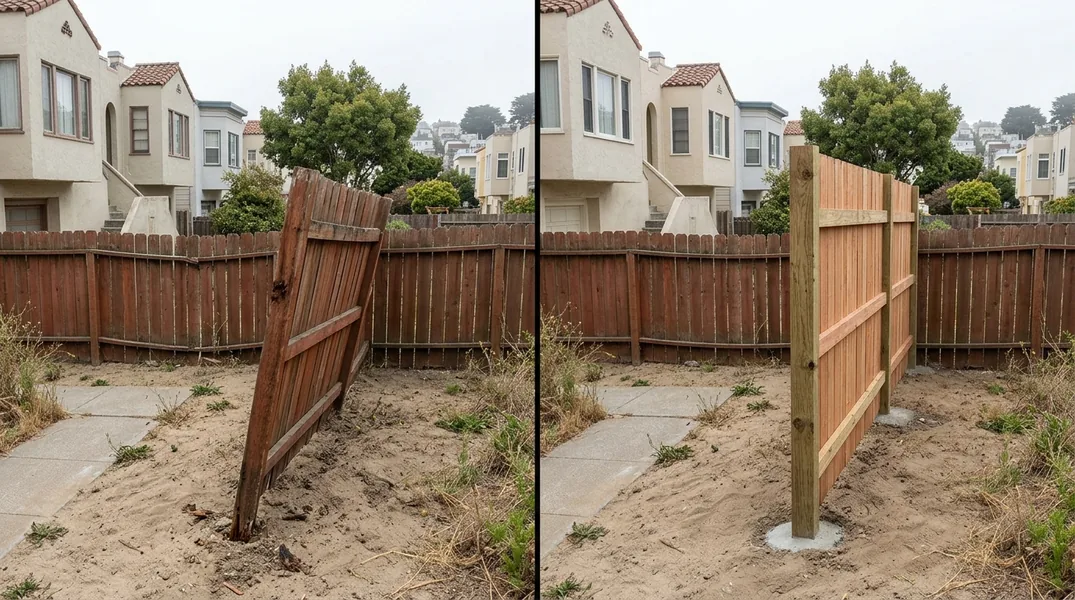
Understanding California's Good Neighbor Fence Law
One of the most common questions homeowners ask is: who pays for a fence between neighbors? In California, the answer lies in a specific statute known as the Good Neighbor Fence Law. This law, codified in California Civil Code Section 841, was designed to settle disputes and clarify responsibilities when neighboring properties need a boundary fence.
The Good Neighbor Fence Law essentially states that if a fence benefits both properties by serving as a boundary line, both neighbors share the cost of installing and maintaining it equally. However, this law applies only under certain conditions. The fence must be a 'necessary' fence, meaning it's needed for practical purposes like containing animals, providing privacy, or defining property lines. Additionally, the law requires that one neighbor request the fence and that the other neighbor either agrees or does not object within a reasonable timeframe.
Understanding this law is crucial for San Francisco homeowners who are considering installing a new fence or who have received a request from a neighbor to share fence costs. Many disputes arise simply because property owners don't know their rights and obligations under California law.
What Happens When a Fence is on the Property Line
When a fence sits directly on the property line between two properties, it's considered a 'line fence' under California law. This placement is significant because it means both neighbors have equal rights to use and benefit from the fence. If a neighbor wants to install a line fence and the other property owner agrees or doesn't object, they typically must split the costs 50/50.
However, the situation becomes more complex when one neighbor wants a fence but the other doesn't. Under the Good Neighbor Fence Law, the neighbor requesting the fence can still compel the other neighbor to share costs if the fence is deemed necessary. The requesting neighbor must provide written notice to their neighbor, and if the neighbor doesn't respond within 30 days (or objects), the matter may need to go to small claims court or be resolved through mediation.
It's important to understand that 'necessary' doesn't mean the fence is absolutely essential for survival or basic property function. Rather, it means the fence serves a legitimate purpose such as protecting children, containing pets, or preventing trespass. A decorative fence purely for aesthetics might not qualify as necessary under the law, which means the neighbor requesting it could bear the full cost.
Who Pays for Fence Installation and Maintenance in California
The question of who pays depends on several factors, including whether the fence was mutually agreed upon, whether it's on the property line, and whether it's considered necessary. If both neighbors agree to install a fence, they typically split the cost equally, regardless of which side of the property line it sits on. This is the most straightforward scenario and often results in the smoothest installation process.
When one neighbor initiates a fence installation without prior agreement, California law provides a framework for cost-sharing. If the neighbor requesting the fence serves proper notice and the other neighbor doesn't object within 30 days, the requesting neighbor can proceed with installation. However, the neighbor who didn't request the fence may still be entitled to reimbursement for half the cost of a 'reasonable' fence. This means if the requesting neighbor installs an expensive, high-end fence, the other neighbor might only be obligated to pay for half the cost of a standard, functional fence.
Maintenance costs typically follow the same principle. If both neighbors benefit from the fence, they should share maintenance costs equally. However, if one neighbor causes damage to the fence or uses it in a way that requires repairs, that neighbor may bear the full cost of those specific repairs. For professional installation and guidance on these matters in San Francisco, consider reaching out to San Francisco Fence at (628) 241-1526 to discuss your specific situation.
Wood & Privacy Fence Installation Near Me: When Neighbor Disputes Arise
If you're considering Wood & Privacy Fence Installation and want to involve your neighbor in the cost-sharing process, it's essential to follow proper procedures. Start by having a friendly conversation with your neighbor about your fencing needs. Explain the benefits of the fence and discuss cost-sharing options. Many neighbor disputes can be avoided through open, honest communication before any installation begins.
If your neighbor agrees to share costs, get the agreement in writing. This simple step prevents misunderstandings later and clarifies each party's responsibilities regarding installation, materials, and maintenance. If your neighbor is hesitant or unresponsive, you can provide written notice of your intent to install a fence. This notice should clearly state the location of the proposed fence, its purpose, and your request for cost-sharing under California's Good Neighbor Fence Law.
When disputes do arise, mediation is often a more cost-effective solution than litigation. Many communities in the Bay Area offer mediation services specifically for neighbor disputes. If mediation fails and the matter goes to small claims court, the judge will consider factors such as whether the fence is necessary, the reasonableness of the fence design, and whether proper notice was given. Having documentation of all communications and written offers to share costs will strengthen your position.
Wood & Privacy Fence Installation Cost in San Francisco: What to Budget
The cost of a fence varies significantly based on materials, height, length, and local labor rates. In San Francisco, wood and privacy fences typically range from $25 to $50 per linear foot installed, though premium materials and complex designs can exceed these figures. A 100-foot fence could cost anywhere from $2,500 to $5,000 or more, depending on specifications. If you're sharing costs with a neighbor, you'd each pay approximately half of this total.
When budgeting for a fence, consider not only the initial installation cost but also long-term maintenance expenses. Wood fences require periodic staining, sealing, and repairs, while other materials like Vinyl & PVC Fence Installation or Aluminum & Ornamental Iron Fencing may have lower maintenance costs. Understanding these long-term expenses helps both neighbors make informed decisions about materials and cost-sharing arrangements.
To get an accurate estimate for your specific project, contact San Francisco Fence for a free estimate. Our team can assess your property, discuss your fencing needs, and provide detailed pricing based on your chosen materials and design. We'll also help you understand how California's Good Neighbor Fence Law applies to your situation and can advise you on the best approach for involving your neighbor in the project.
Steps to Take Before Installing a Fence on Your Property
Before breaking ground on any fencing project, take several important steps to protect yourself legally and maintain good neighbor relations. First, have your property surveyed to determine the exact location of your property line. Many neighbor disputes stem from disagreements about where the property line actually is. A professional survey removes this uncertainty and provides documentation that holds up in court if needed.
Next, review your local city and county regulations. San Francisco has specific codes regarding fence height, setback requirements, and materials. Some neighborhoods have HOA restrictions or historic district guidelines that limit your fencing options. Checking these requirements early prevents costly mistakes and ensures your fence complies with local ordinances.
Finally, check with your neighbor before proceeding. Even if you have the legal right to install a fence at your expense, maintaining a positive relationship with your neighbor is valuable. A cooperative neighbor might agree to share costs or at least provide access to their property for installation. If you need professional guidance on navigating these steps, San Francisco Fence can help. Call (628) 241-1526 or visit our website to discuss your project and get expert advice on fence placement, materials, and neighbor communication strategies.
Looking for a professional fence contractor in San Francisco? San Francisco Fence responds fast for all your fence needs.
Get a Free Quote